Beginner Home Repairs You Can Do This Weekend
By Mac · 7 min read
Every home has a list of little annoyances: the door that won't latch, the faucet that drips, the dent in the hallway wall. Many of these are perfect starter projects. They need only basic tools, take an afternoon or less, and give you a real sense of accomplishment when they're done.
Before starting any repair, read through every step, gather your supplies, and give yourself more time than you think you'll need. If a job involves gas, major electrical work, or structural changes, that's the time to call a licensed professional.
1. Patch Small Holes in Drywall
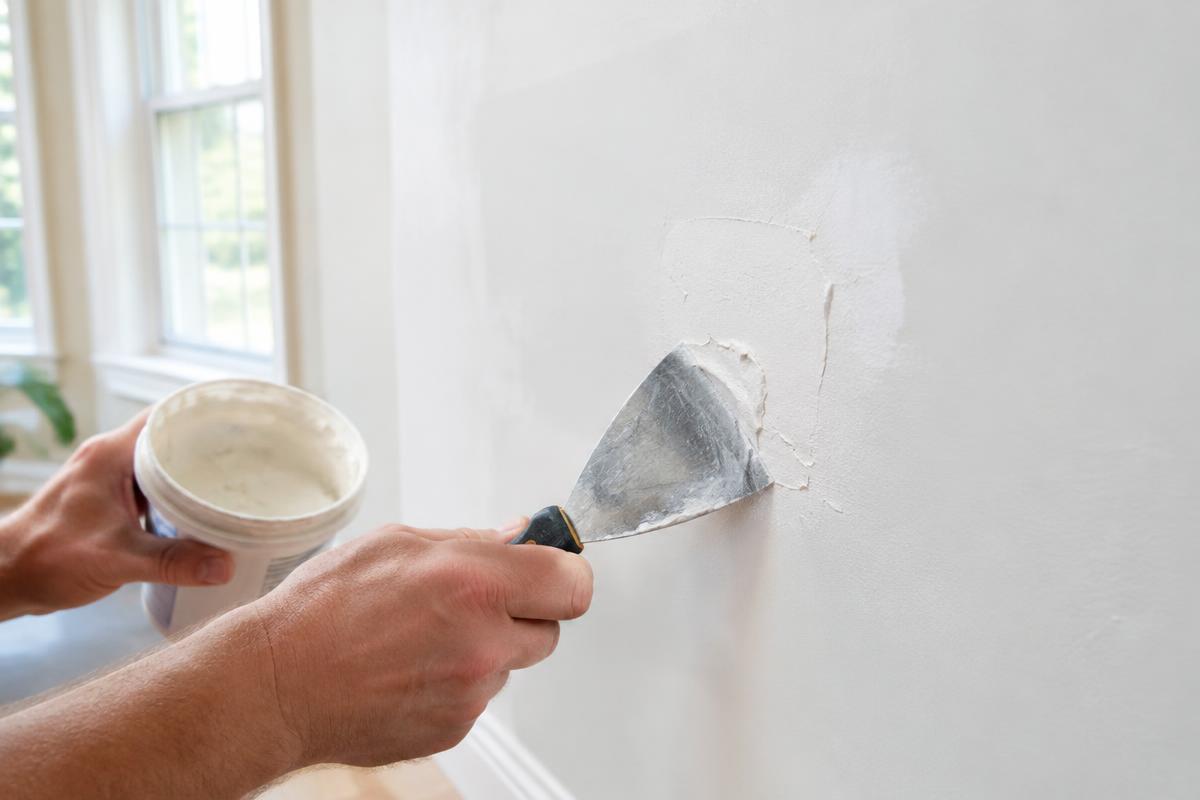
Nail holes and small dings are some of the easiest repairs in the house. Clean away any loose bits, then press lightweight spackle into the hole with a putty knife. Scrape the surface flat, let it dry, and sand lightly. For holes larger than a coin, use a self-adhesive mesh patch first, then apply two or three thin coats of joint compound, feathering the edges. Prime and paint to finish.
2. Fix a Running Toilet
A toilet that keeps running can waste a surprising amount of water. Lift the tank lid and look inside. Often the flapper at the bottom isn't sealing because it's worn or the chain is tangled. Shut off the water valve behind the toilet, flush to drain the tank, and replace the flapper with one that matches your model. It's usually a few dollars and a few minutes of work.
3. Re-Caulk a Tub or Sink
Cracked or discolored caulk can let water seep where it shouldn't. Use a plastic scraper or caulk removal tool to take out the old bead, clean the area with rubbing alcohol, and let it dry completely. Apply painter's tape on both sides of the joint, run a steady bead of kitchen and bath silicone, smooth it with a wet finger or tool, and pull the tape while the caulk is still wet.
4. Tighten Loose Cabinet Hinges and Handles
Sagging cabinet doors usually just need their hinge screws tightened. If a screw spins without grabbing, the hole is stripped. Remove the screw, push a few wooden toothpicks dipped in wood glue into the hole, snap them off flush, let the glue set, and drive the screw back in. Many concealed hinges also have adjustment screws that let you line up uneven doors.
5. Stop a Door From Sticking or Squeaking
A squeaky hinge often goes quiet with a bit of lubricant on the hinge pin. For a door that sticks or doesn't latch, first check for loose hinge screws. Replacing one short screw in the top hinge with a longer screw that reaches the framing can pull the door back into alignment. If the latch still misses, the strike plate may need to be adjusted slightly.
Tips for a Smooth Weekend
- Take a photo before you take anything apart.
- Turn off water or power at the source when a job involves plumbing or electrical fixtures.
- Keep a small container for screws and parts so nothing goes missing.
- Clean up as you go; it makes the finish much more satisfying.
Start with whichever repair bothers you most. Once you've finished one, the next will feel much less intimidating. Over time, these small wins add up to a home you understand and feel comfortable maintaining yourself.